

Recurrent and refractory benign paroxysmal positional vertigo: from the unverified maneuver to the surgical indication. A narrative review
Vértigo posicional paroxístico benigno recurrente y refractario: de la maniobra no verificada a la indicación quirúrgica. Revisión narrativa
[Artículo en inglés/ Article in English]
Vol. 10 Núm. 4. Agosto 2026 - Octubre 2026.
e-ISSN: 2530-5468 - Open Access Journal
DOI: 10.5281/zenodo.23000866
Published under Creative Commons CC BY-NC-ND 4.0


Sanum. vol. 10, número 4 (2026) páginas 128 – 139
AUTHORS:
Danna Lorena González Moya¹ (0000-0002-2337-0317)
Hilder Adrián Benavides Villamarín² (0000-0002-3768-6304)
Vianca Giselle Calderón Palomino³ (0009-0003-9987-2991)
Angie Camila Bedoya Coronel⁴ (0009-0007-7844-4727)
Valeria Ceballos García⁵ (0009-0002-8423-3225)
Alma Catalina Leyva Londoño⁶ (0009-0009-3660-4600)
Affiliations
¹ Facultad de Medicina, Universidad de La Sabana. Bogotá, Colombia.
² Facultad de Ciencias de la Salud, Universidad del Cauca. Popayán, Colombia.
³ Facultad de Medicina, Universidad de Cartagena. Cartagena, Colombia.
⁴ Institución Universitaria Visión de las Américas.Colombia.
⁵ Facultad de Ciencias de la Salud, Pontificia Universidad Javeriana. Cali, Colombia.
⁶ Facultad de Ciencias de la Salud, Universidad de Manizales. Manizales, Colombia.
Como citar este artículo:
González Moya DL, Benavides Villamarín HA, Calderón Palomino VG, Bedoya Coronel AC, Ceballos García V, Leyva Londoño AC. Vértigo posicional paroxístico benigno recurrente y refractario: de la maniobra no verificada a la indicación quirúrgica. Revisión narrativa. SANUM 2026, 10(4) pp 128 – 139. DOI: 10.5281/zenodo.23000866
© Los autores. Publicado por SANUM: Revista Científico-Sanitaria bajo una licencia Creative Commons Atribución-NoComercial-SinDerivadas 4.0 Internacional (CC BY-NC-ND 4.0). 
How to cite this article:
González Moya DL, Benavides Villamarín HA, Calderón Palomino VG, Bedoya Coronel AC, Ceballos García V, Leyva Londoño AC. Recurrent and refractory benign paroxysmal positional vertigo: from the unverified maneuver to the surgical indication. A narrative review. SANUM 2026, 10(4) pp 128 – 139. DOI: 10.5281/zenodo.23000866
© The authors. Published by SANUM: Revista Científico-Sanitaria under a Creative Commons Attribution-NonCommercial-NoDerivatives 4.0 International License (CC BY-NC-ND 4.0).
Article type: Review article.
Section: Otolaryngology.
Received: 29-07-2026.
Accepted: 02-09-2026.
Published: 30-10-2026.
ABSTRACT
Introduction: benign paroxysmal positional vertigo resolves with repositioning maneuvers in more than 90 % of cases, yet a fraction persists and eventually raises the question of surgical treatment through semicircular canal occlusion. Both strategies have been evaluated separately, and the criterion for considering a patient refractory varies across the available studies.
Methods: narrative review based on a search of PubMed/MEDLINE, Web of Science, Scopus, and SciELO, using MeSH descriptors and free-text terms, in English, Spanish, and Portuguese. The synthesis focused on current guidelines, systematic reviews, randomized trials, and the surgical series published since the original description of the technique.
Results: the declared threshold for surgical indication ranges from two failed maneuvers to twelve months of persistence, without the reviewed studies justifying it. Maneuvers achieve 80 % to 95 % in the first line, but only 27 % to 39 % in patients who have already failed. That ceiling is inflated: two out of three patients referred for suspected disease do not have it, and one in seven retains nystagmus after treatment when the result is not recorded. Canal occlusion reports 100 % resolution, yet only three of eight studies measured the diagnostic test before and after, and the procedure carries an 8 % rate of permanent sensorineural hearing loss.
Conclusion: the surgical decision in refractory positional vertigo should rest not on the number of failed maneuvers or elapsed time, but on objective verification that the disease was present and that treatment was correctly performed.
KEYWORDS
Benign Paroxysmal Positional Vertigo;
Semicircular Canals;
Nystagmus, Physiologic;
Otologic Surgical Procedures;
Recurrence.
RESUMEN
Introducción: el vértigo posicional paroxístico benigno se resuelve con maniobras de reposicionamiento en más del 90 % de los casos; sin embargo, una fracción persiste y finalmente plantea la cuestión del tratamiento quirúrgico mediante la oclusión del canal semicircular. Ambas estrategias han sido evaluadas por separado, y el criterio para considerar a un paciente refractario varía entre los estudios disponibles.
Métodos: revisión narrativa basada en una búsqueda en PubMed/MEDLINE, Web of Science, Scopus y SciELO, utilizando descriptores MeSH y términos de texto libre, en inglés, español y portugués. La síntesis se centró en guías actuales, revisiones sistemáticas, ensayos aleatorizados y las series quirúrgicas publicadas desde la descripción original de la técnica.
Resultados: el umbral declarado para la indicación quirúrgica oscila entre dos maniobras fallidas y doce meses de persistencia, sin que los estudios revisados lo justifiquen. Las maniobras alcanzan una eficacia del 80 % al 95 % en primera línea, pero solo del 27 % al 39 % en pacientes en los que ya han fracasado. Ese límite está sobreestimado: dos de cada tres pacientes remitidos por sospecha de enfermedad no la presentan, y uno de cada siete mantiene nistagmo tras el tratamiento cuando el resultado no se registra. La oclusión del canal presenta una resolución del 100 %; sin embargo, solo tres de ocho estudios evaluaron la prueba diagnóstica antes y después, y el procedimiento conlleva una tasa del 8 % de pérdida auditiva neurosensorial permanente.
Conclusión: la decisión quirúrgica en el vértigo posicional refractario no debería basarse en el número de maniobras fallidas ni en el tiempo transcurrido, sino en la verificación objetiva de que la enfermedad estaba presente y de que el tratamiento se realizó correctamente.
PALABRAS CLAVE
Vértigo Posicional Paroxístico Benigno;
Canales Semicirculares;
Nistagmo Fisiológico;
Procedimientos Quirúrgicos Otológicos;
Recurrencia.
INTRODUCTION
Benign paroxysmal positional vertigo is the most frequent peripheral vestibular disorder: among 1,520 consecutive patients seen for vertigo or dizziness, 40.2 % corresponded to this entity (1). Its treatment has a solid basis: the American Academy of Otolaryngology-Head and Neck Surgery (AAO-HNS) guideline reports that conversion of the Dix-Hallpike test to negative is nine times more likely with a repositioning maneuver than with a sham maneuver (OR 9.62) (2).
Against that background of efficacy, a group of patients who do not respond stands out. Recent literature places the proportion of cases that persist despite treatment at around 12.5 % (3), and for them a surgical alternative has been available since 1990, semicircular canal occlusion (4), which fixes the cupula and selectively disables the operated canal (5).
Comparing the two would seem the natural question, but the evidence on each comes from independent studies, for a structural reason: surgery reaches approximately 1 % of the patients seen (6). It also presupposes something we did not find uniformly established: what constitutes a refractory case. The AAO-HNS guideline states that it makes no recommendations on surgical therapy (2), and the otoneurology consensus of the Spanish Society of Otorhinolaryngology (SEORL) notes that the Bárány Society has not done so either (7).
This review does not seek to establish which strategy is superior, but to answer the question that precedes it: on what basis a patient is declared refractory, what proportion of that refractoriness withstands objective verification, and what should be required before indicating an irreversible procedure on the inner ear.
METHODS
Search strategy. PubMed/MEDLINE, Scopus, Web of Science, and SciELO were searched. The strategy combined MeSH descriptors and their free-text equivalents, organized in three blocks joined by the AND operator, with the synonyms within each block joined by OR. The descriptors used were, for the population, «Benign Paroxysmal Positional Vertigo»[MeSH] OR «Semicircular Canals»[MeSH]; for the clinical course, «Recurrence»[MeSH] OR «Treatment Failure»[MeSH]; and for the intervention, «Patient Positioning»[MeSH] OR «Vestibular Function Tests»[MeSH] OR «Electronystagmography»[MeSH] OR «Otologic Surgical Procedures»[MeSH]. The search for guidelines was further restricted with the publication types «Practice Guideline»[Publication Type] and «Guideline»[Publication Type].
The same concepts were additionally searched as free text in title and abstract (the Tiab field in PubMed, TITLE-ABS in Scopus, and TS in Web of Science), in order to also retrieve records not yet indexed, and with their Spanish and Portuguese equivalents in SciELO. Free-text terms included, for the population, «BPPV», «positional vertigo», «canalolithiasis», and «cupulolithiasis»; for the clinical course, «recurrence», «relapse», «refractory», «intractable», «persistent», and «residual dizziness»; for the conservative intervention, «canalith repositioning», «Epley», «Semont», «Lempert», «Gufoni», «Yacovino», and «Brandt-Daroff»; for instrumented diagnosis, «videonystagmography», «videooculography», «VNG», «video Frenzel», «mechanical rotational chair», «Epley Omniax», and «TRV chair»; and for the surgical intervention, «semicircular canal occlusion», «canal plugging», «canal partitioning», «singular neurectomy», and «transmastoid». The free-text component was particularly useful for retrieving surgical literature and studies not fully indexed in MEDLINE.
No start-date restriction was applied and studies published in English, Spanish, and Portuguese were included. The search covered records available up to 30 June 2026. The complete search strategy by database is provided as supplementary material.
Literature selection. The selection of the works discussed was deliberate and non-exhaustive. The retrieved articles were reviewed by the authors to identify those that best addressed the objectives of this review. Priority was given to current clinical practice guidelines, systematic reviews, and randomized controlled trials for the conservative arm, in order to support efficacy statements with the designs at lower risk of bias; and to the surgical series on semicircular canal occlusion in this indication identified through the search strategy, published since the original description of 1990. Works on canal occlusion for Ménière’s disease or for superior semicircular canal dehiscence were excluded, since they share the technique but not the population or the therapeutic objective. For each surgical series we recorded the declared indication criterion, sample size, canal operated, technique, reported efficacy, complications, and follow-up; Tables I and II were built on that basis.
The bibliography deliberately combines recent and foundational literature. For the conservative arm, priority was given to guidelines, meta-analyses, and trials from recent years. For the surgical arm no age limit was applied, a criterion adopted because excluding the earlier literature would have left the very object of the comparison without documentary basis.
RESULTS
A threshold each center sets on its own
The first difficulty is not therapeutic but nosological. Among the surgical series reviewed, the declared threshold for considering a patient refractory ranges from two failed maneuvers to twelve months of symptom persistence (Table I). Zhu et al. selected patients refractory to head-shake and barbecue roll maneuvers on at least two occasions (8); Ramakrishna et al. required a minimum of two repositioning maneuvers per side, although in the same text they acknowledge that usual practice is to wait a year (9). At the opposite end, Hawthorne and el-Naggar offered surgery from symptoms of more than one year, a criterion they state verbatim as their own definition of intractability (10), and Beyea et al. establish that occlusion would be considered only after one year of non-surgical management (11).
None of the reviewed studies justifies its threshold by reference to another work or to a guideline. The disagreement is not recent either: Hawthorne and el-Naggar recorded in 1994 that another group operated on its patients with durations of between three and eleven months, below their own criterion (10).
Table I. Declared criterion for considering a patient refractory and indicating surgery
| Study | Year | Declared criterion | Type of threshold |
| Zhu et al. (8) | 2015 | Refractory to head-shake and barbecue roll on at least 2 occasions | 2 maneuvers |
| Ramakrishna et al. (9) | 2012 | Minimum of 2 repositioning maneuvers per side | 2 maneuvers |
| Ahmed et al. (6) | 2012 | No or poor response for ≥6 months, with relapses at least monthly | 6 months |
| Parnes and McClure (4) | 1990 | Symptoms unchanged for more than 1 year | 12 months |
| Parnes and McClure (5) | 1991 | More than 1 year and impact on occupation or lifestyle | 12 months |
| Hawthorne and el-Naggar (10) | 1994 | Symptoms of more than one year, stated as their own definition of intractability | 12 months |
| Leveque et al. (12) | 2007 | Refractory vertigo persisting for 1 year despite physiotherapy | 12 months |
| Beyea et al. (11) | 2012 | Occlusion considered only after 1 year of non-surgical management | 12 months |
| Hotta et al. (13) | 2017 | Refractory to conservative treatment for more than 1 year | 12 months |
Source: Prepared by the authors from references (4, 5, 6, 8-13).
These differences hinder direct comparison between series. The interval separating the thresholds is not clinically neutral either, because spontaneous recovery occurs within it: the AAO-HNS guideline places it between 27 % and 50 % (2), and a systematic review of the surgical series estimates it at approximately 25 % at one month and up to 50 % at six months (14). A patient declared refractory after two maneuvers might have shown spontaneous resolution under a longer criterion.
The real ceiling of conservative treatment
The efficacy of maneuvers in the first line is not in dispute. A randomized sham-controlled trial obtained long-term success of 91 % (95 % CI 71-99) versus 46 % in the control group (95 % CI 24-68), with a relative risk of 2.0 (15). The choice between the two main maneuvers does not explain the failures either: a network meta-analysis found them equivalent in recovery and recurrence (16), while a more recent one placed the Epley maneuver ahead by a small margin (RR 1.04) (17), and a randomized trial found that the Semont-plus variant resolved the condition sooner (2.0 versus 3.3 days; P = 0.01) with no differences after a single maneuver (68.4 % versus 62.9 %; P = 0.42) (18).
The decisive figure appears when the same treatment is applied to someone who has already failed. Oh et al. compared repeating the Epley maneuver versus switching to the Semont maneuver in refractory patients: efficacy did not differ between groups, but it was 38.6 % and 27.0 % respectively (P = 0.14) (19). Against the 80 % of patients asymptomatic at 24 hours obtained by a class I trial in the first line (19), the same maneuver yields between a quarter and a third in the patient who has already received it without success.
That ceiling has identifiable mechanisms. Treatment itself generates part of the failure: Anagnostou et al. documented conversion from the posterior to the horizontal canal in 4 of 51 patients treated with Epley (7.8 %), versus none of the 51 treated with Semont (20). In multicanal vertigo, symptom persistence attributable to canal conversion affected 16 of 104 patients (15.38 %) (21). And performance depends on conditions that are rarely documented: rates of up to 95 % are expressly stated for the correctly performed maneuver (18), and among the determinants of the outcome are immediate repetition after failure and clinician experience, distinguishing a referral center from a primary care service (20).
What objective recording reclassifies
Three convergent findings indicate that a substantial part of the 12.5 % refractoriness does not correspond to resistant disease.
The first concerns diagnosis. In a series of instrumented screening with a mechanical chair covering 504 cases referred for suspected positional vertigo, 501 completed the procedure and only 169 were positive, 33.7 % (22). Two out of three patients thus labeled did not have the disease. Consistently, the accuracy of questionnaire-based diagnosis approaches 75 % (23).
The second concerns verification of treatment. Venkatramanan et al. recorded 28 patients with videonystagmography after the maneuver: 25 showed no nystagmus, but 4 had persistent nystagmus and required repetition. The authors note that without that recording those patients would have left the consultation with incomplete treatment and a risk of relapse (24). That is 4 of 28, 14.3 %. Along the same lines, videonystagmography contributed to 75 % of diagnoses in a series of balance disorders (25).
The third concerns the prognosis of the already identified refractory patient. When the patient referred as refractory from primary care is treated with an automated chair combined with videonystagmography, the success rate reaches 96.9 %, with a mean of 1.42 sessions (26). A meta-analysis of twelve studies and 1,385 patients places the pooled efficacy of repositioning chairs at 71.5 % after one session and 91.4 % cumulatively, with residual dizziness in 16.1 % and recurrence in 16 % (27).
The chair, however, is not superior to hands when applied to an unselected population: a randomized trial in 74 patients referred from primary care obtained 61.1 % success with the chair versus 63.2 % manually (P = 0.856), with no differences in number of treatments or perceived disability (28). Its demonstrated advantage is speed: chair-assisted multiple repositioning outperformed single repositioning on days 1 and 4 (85.2 % versus 55.7 %; P < 0.001), a difference that disappeared by day 7 (93.3 % versus 94.8 %) (29).
The limit of the instrumented strategy appears in the extreme refractory patient. Skelmose et al. treated 14 patients with a chair adjusted to their individually measured canal angles by computed tomography and only 3 achieved subjective and objective remission, with 6 of 14 achieving one or the other; the same work found that the angles of the vertical canals differed significantly from the assumed standard values (3). That subgroup also has a structural correlate: among 13 patients with intractable positional vertigo studied with magnetic resonance imaging, 11 (84.6 %) had abnormal-appearing canals, versus 2 of 14 healthy controls (14.3 %) (30).
The three situations described, together with the mechanisms of treatment failure documented in the previous section, are summarized in Figure 1.
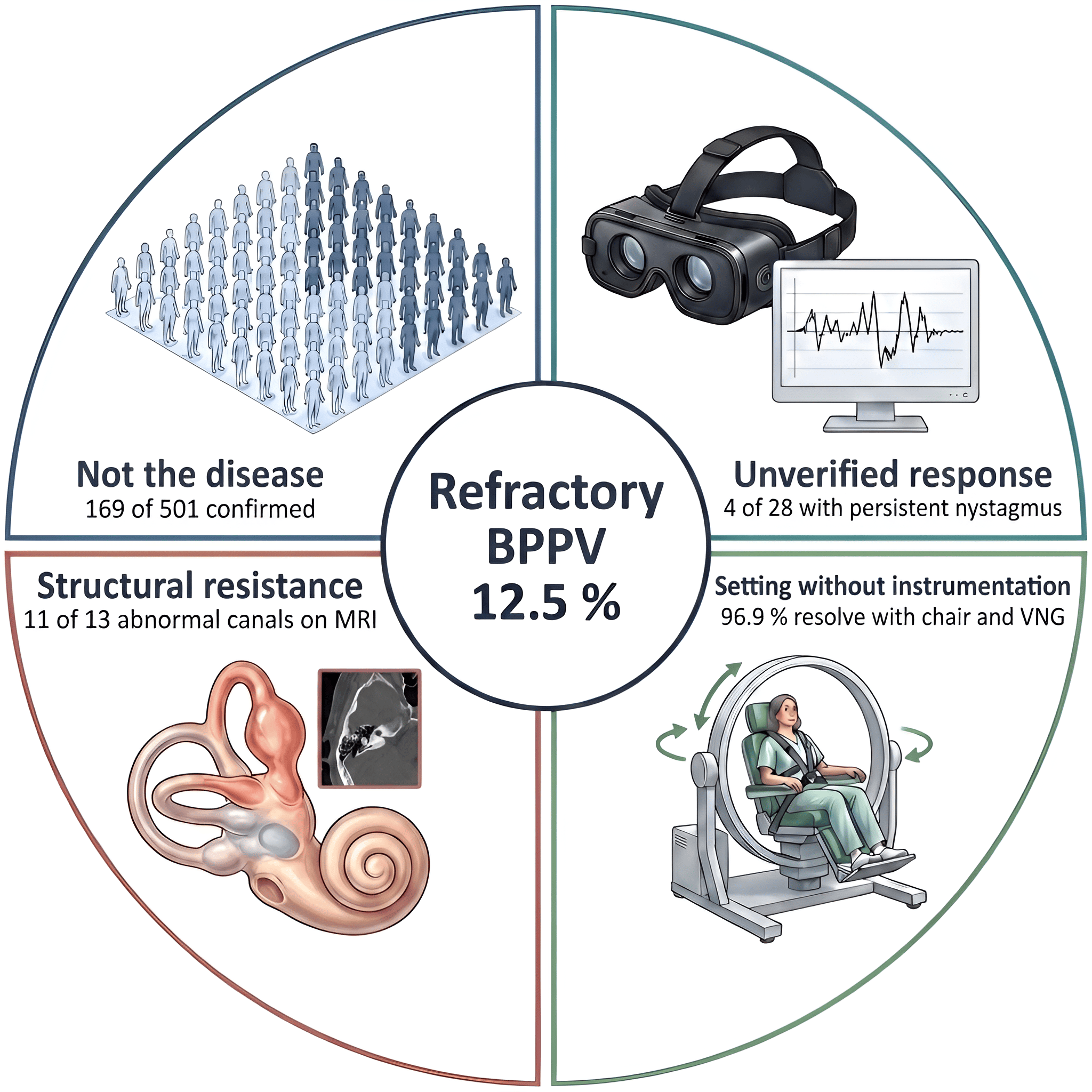
Figure 1. Mechanisms by which benign paroxysmal positional vertigo is declared refractory.
Source: Prepared by the authors from references (22, 24, 26, 30).
Canal occlusion: a declared efficacy without equivalent verification
The body of surgical evidence identified is also dated: the initial description of the procedure dates from 1990 (4), and the series with the largest number of patients and the longest observation were published before 2015 (6, 11). With that caveat, the reviewed series agree on a maximum figure (Table II).
Table II. Series of semicircular canal occlusion in benign paroxysmal positional vertigo
| Study | Year | n | Canal | Reported efficacy | Complications | Follow-up |
| Parnes and McClure (4) | 1990 | 2 patients | Posterior | Resolution in both | Profound hearing loss prior to surgery | Not reported |
| Hawthorne and el-Naggar (10) | 1994 | 15 patients | Posterior | Cure reported by all; sustained negative Dix-Hallpike | 8 with mild high-frequency sensorineural hearing loss, almost recovered at 6 months | 14 to 40 months |
| Ahmed et al. (6) | 2012 | 53 patients (55 ears) | Posterior | Five out of six with no hearing problem; nine out of ten with no balance problem | 9 with symptomatic permanent hearing loss; 10 with caloric impairment; contralateral positional vertigo in 8 | 20 years of recruitment |
| Ramakrishna et al. (9) | 2012 | 6 patients | Bilateral posterior | Complete resolution in all | 1 with mild high-frequency sensorineural hearing loss; transient imbalance in all | Not reported |
| Beyea et al. (11) | 2012 | 61 patients (65 ears) | Posterior | High efficacy | Not reported | Not reported |
| Zhu et al. (8) | 2015 | 3 patients | Horizontal | Complete resolution on the first postoperative day | 1 of 3 with transient tinnitus, resolved at 4 months | ≥2 years |
| Hotta et al. (13) | 2017 | 2 of 136 diagnosed | Bilateral posterior | Resolution | Not reported | Not reported |
| Luryi et al. (31) | 2018 | 26 patients (27 procedures) | Posterior | 96.2 % in the operated ear; 88.5 % in both ears | 3 patients (11.5 %) recurred, resolved with one maneuver | Not reported |
| Maas et al. (14) | 2020 | Review of 8 studies | Posterior | 100 % across all studies, with only 3 of 8 measuring Dix-Hallpike before and after | Across 190 audiograms: 8 % permanent sensorineural hearing loss, 5 % conductive, 1 % total loss. Across 68 assessed: 13 % total vestibular loss | Not reported |
| Corvera Behar and García de la Cruz (32) | 2017 | Review of 4 + 14 studies | Posterior | Occlusion 100 %, described by the authors as hard to believe; singular neurectomy 79-94 % | Postoperative hearing loss around 5 % with both techniques | Not reported |
Source: Prepared by the authors from references (4, 6, 8-11, 13, 14, 31, 32).
The systematic review by Maas et al. concludes that posterior canal occlusion produced complete resolution in 100 % of patients across all included studies (14). The authors themselves, however, warn that this result must be interpreted with caution because only 3 of the 8 studies included Dix-Hallpike results before and after surgery (14). In five of the eight works supporting that 100 %, resolution was not verified with the diagnostic test in a comparable way.
Two additional elements erode the figure. Luryi et al., in the only series expressly designed to study failures, obtained resolution in the operated ear in 25 of 26 patients (96.2 %) and in both ears in 23 of 26 (88.5 %) (31). And Corvera Behar and García de la Cruz, when aggregating patients from all published series, describe that 100 % as hard to believe, and place singular neurectomy, the competing technique, between 79 % and 94 % (32).
There is also a mechanical reason to expect high figures. If the procedure fixes the cupula and abolishes the receptivity of the operated canal (4, 5), and the success criterion is a negative positional test that interrogates precisely that canal, the result could be partly explained by the surgical act itself. This does not invalidate the benefit for the patient, who ceases to suffer positional vertigo from that canal, but it does prevent equating that 100 % with the 98 % that the same sources attribute to maneuvers after three sessions (12, 32), measured on an anatomically intact canal.
The price is quantified and is asymmetric with respect to the measurement of benefit. Across 190 patients with postoperative audiometry, 15 (8 %) suffered permanent sensorineural hearing loss attributable to surgery, 9 (5 %) persistent mild conductive hearing loss, and 2 (1 %) total hearing loss; among the 68 patients assessed for vestibular function, 9 (13 %) had complete vestibular loss (14). The contrast between the two denominators is itself informative: two out of three operated patients were never assessed for the vestibular outcome. Ahmed et al. summarize their twenty-year experience by noting that five out of six patients will have no hearing problem and nine out of ten will have no balance problem (6), and add that ten patients suffered caloric impairment and that positional vertigo subsequently appeared in the contralateral posterior canal in eight (6). The incidence of hearing loss also depends on operator experience, with figures ranging from 3.7 % in a series of 252 procedures to 41 % in another of 12 (12). This contrast between what is measured systematically and what is measured in a minority is depicted in Figure 2.
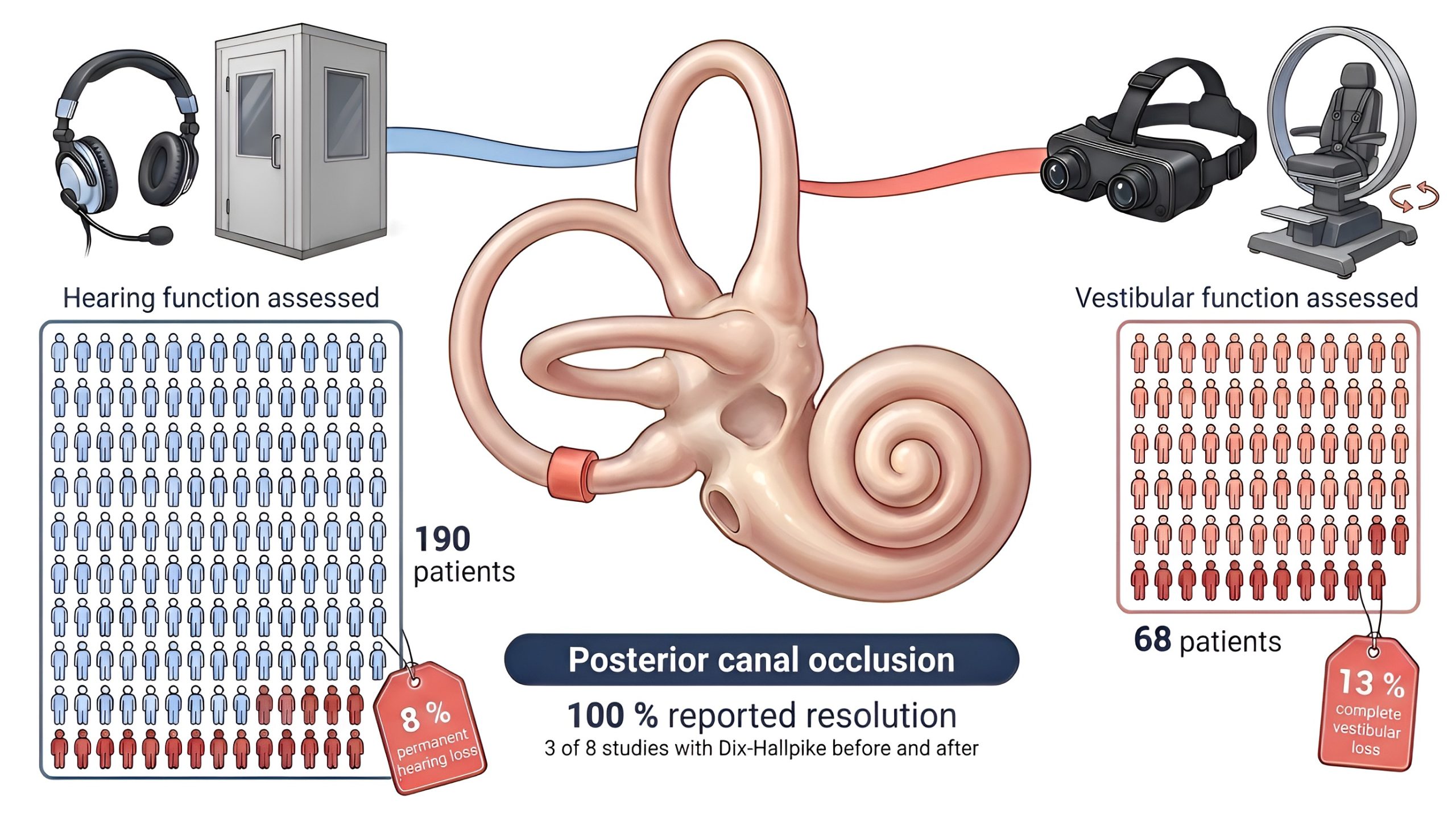
Figure 2. Asymmetry between benefit and harm measurement in the surgical arm.
Source: Prepared by the authors from references (14).
Intermediate steps and a prior confusion
Before considering surgery it is worth separating persistent vertigo from residual dizziness, a distinct entity in which nystagmus has resolved but the patient remains symptomatic, and which affects between 31 % and 61 % of successfully treated patients (33); in one series, 30 of 49 patients (61 %), with prior symptom duration as the only associated factor (34). Repositioning again or operating does not modify that condition.
Between the maneuver and the operating room there are also intermediate options with weak evidence. Betahistine for residual dizziness has four randomized trials and about 418 participants, with results split between two studies showing benefit and two finding no differences, with no meta-analysis possible because of heterogeneity and with relevant risk of bias in three of the four (33). Intratympanic corticosteroid has been tested in very small series, with resolution in 3 of 4 patients after two to five injections (35). None of the surgical series reviewed documents having exhausted these steps before indicating occlusion.
DISCUSSION
Direct comparison between the two strategies is difficult to address with the available designs. Surgery is performed in a very small fraction of patients seen at tertiary centers: 53 of 5,364 over twenty years in one specialized unit (6) and 2 of 136 over four years in another (13), around 1 % in both cases. A comparative trial on such a proportion would require prolonged multicenter recruitment.
The reviewed studies do show that the two arms occupy different levels of the evidence hierarchy. The conservative arm rests on clinical practice guidelines, systematic reviews, and randomized sham-controlled trials that discount natural history (2, 15, 18). The surgical arm rests on retrospective series and isolated cases, without control groups, in which most studies did not apply the diagnostic test before and after (14); none of the designs supporting it reaches the level of a randomized trial. Added to this difference in design is another in measurement within the surgical arm itself: 190 postoperative audiograms versus 68 vestibular assessments (14). The outcome favoring the procedure was measured systematically; the one that questions it, in a minority of those operated on.
The focus then shifts from what to when, and there a normative vacuum is found. The AAO-HNS guideline expressly states that it makes no recommendations on surgical therapy, and the SEORL consensus notes that the Bárány Society has not published a document on treatment (2, 7). Lacking that reference, each group sets its own threshold, between two maneuvers and twelve months (Table I). The interval is not innocuous, since between 25 % and 50 % of cases resolve spontaneously within it (2, 14).
The diagnostic and therapeutic findings allow a sequence with verifiable content to be proposed before that decision. If two out of three patients referred for suspected disease do not have it (22), the first requirement is instrumented confirmation of nystagmus, not clinical impression or questionnaire, whose accuracy is around 75 % (23). If one in seven treated patients retains nystagmus when the result is recorded (24), the second requirement is to objectively document the response to each maneuver rather than to count maneuvers administered. If 96.9 % of refractory patients referred from primary care resolve with a chair and videonystagmography in a mean of 1.42 sessions (26), the third requirement is that the patient has been treated in a setting with that capability before being considered resistant. Figure 3 sets out that sequence.
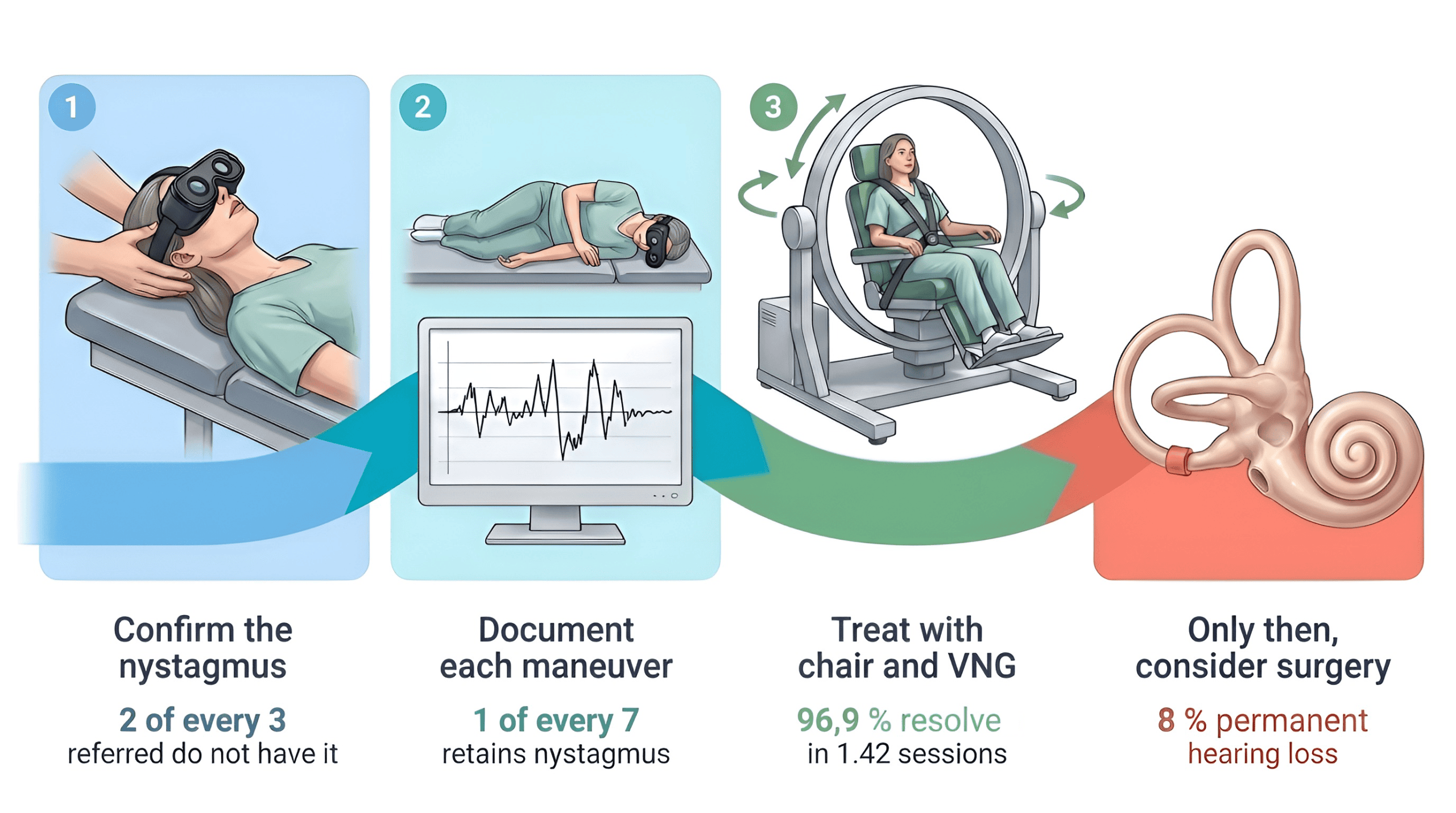
Figure 3. Proposed verification sequence before considering surgical indication.
Source: Prepared by the authors from references (14, 22, 24, 26).
After those three filters a group remains whose resistance appears to be real, and its features are beginning to emerge. It is the group in which an individually angle-adjusted chair resolved 3 of 14 cases (3) and in which magnetic resonance imaging found inner ear abnormalities in 84.6 %, versus 14.3 % of healthy controls (30). This imaging test does not appear in the algorithms consulted and is not required by the surgical series reviewed, which in light of these data seems a relevant omission.
These findings suggest building the numerator and denominator of the surgical decision differently. Counting failed maneuvers or elapsed months measures the failure of a process whose correct execution was not verified. Confirming that the disease was present, that the maneuver corrected the nystagmus, and that treatment was delivered with adequate means would give refractoriness a more precise clinical content, and would probably reduce its size relative to the commonly cited 12.5 % (3).
CONCLUSION
The surgical indication in refractory benign paroxysmal positional vertigo should rest on objective verification that the disease was present and that treatment was correctly performed, and not on the count of failed maneuvers or elapsed months, which is the criterion used by the series reviewed without an identifiable normative basis.
LIMITATIONS
The scope of this review is bounded by the selection criterion described: the works discussed do not represent the entire published literature on refractory positional vertigo, but the subset of greatest methodological soundness together with the complete series of surgical publications. No formal risk-of-bias assessment of each study or quantitative synthesis was performed, so the figures cited correspond to the estimates of the original studies and not to pooled estimators. Some of the included articles were available only as abstracts, and statements derived from them were restricted to what those abstracts literally support. The surgical arm consists of retrospective series and isolated cases without comparison groups, and several of its publications predate current reporting standards, which reduces confidence in the magnitude of their estimates though not in the direction of their findings. Refractoriness figures come from populations defined by heterogeneous criteria, a limitation that is simultaneously one of the findings of this review. Finally, having identified no direct comparative studies between the two strategies means that any inference about their relative performance rests on the juxtaposition of non-equivalent designs.
DECLARATIONS
Funding
This work received no funding from any public, commercial, or not-for-profit entity.
Conflicts of interest
The authors declare no conflicts of interest related to this work.
Data availability
As this is a review article based on published scientific literature, no original datasets were generated. The information used derives entirely from the bibliographic sources cited in the manuscript.
Authors’ contributions (CRediT)
DLGM: Conceptualization, Methodology, Investigation, Data curation, Formal analysis, Visualization, Writing – original draft, Supervision, Project administration.
HABV, VGCP, ACBC, VCG and ACLL: Investigation, Validation, Writing – review & editing.
- DLGM: Danna Lorena González Moya.
- HABV: Hilder Adrián Benavides Villamarín.
- VGCP: Vianca Giselle Calderón Palomino.
- ACBC: Angie Camila Bedoya Coronel.
- VCG: Valeria Ceballos García.
- ACLL: Alma Catalina Leyva Londoño.
The authors participated in the preparation of the manuscript according to the roles described by the CRediT taxonomy, critically reviewed the manuscript, approved the final version for publication, and accept responsibility for all aspects of the work in accordance with the criteria established by the International Committee of Medical Journal Editors (ICMJE).
Use of Generative Artificial Intelligence
The authors declare that the manuscript was prepared under their complete academic and scientific responsibility. The artificial intelligence tool Claude (Anthropic) was used to support linguistic correction and style review of the manuscript.
Previous publication or presentation
This work has not been previously published or presented in any medium.
Ethical considerations
Informed consent and ethical approval were not applicable, as this is a narrative review of published literature without individual patient data.
Transparency statement
The corresponding author affirms that this manuscript is an honest, accurate, and transparent account of the review conducted and that no relevant aspect of its methods or findings has been omitted.
REFERENCES
- Horinaka A, Kitahara T, Shiozaki T, Ito T, Wada Y, Yamanaka T, et al. Head-Up Sleep May Cure Patients With Intractable Benign Paroxysmal Positional Vertigo: A six-Month Randomized Trial. Laryngoscope Investig Otolaryngol. 2019;4(3):353-358. doi:10.1002/lio2.270
- Bhattacharyya N, Gubbels SP, Schwartz SR, Edlow JA, El-Kashlan H, Fife T, et al. Clinical Practice Guideline: Benign Paroxysmal Positional Vertigo (Update). Otolaryngol Head Neck Surg. 2017;156(3_suppl):S1-S47. doi:10.1177/0194599816689667
- Skelmose TBK, Houmoller AM, Yavarian Y, Borregaard NR, Hougaard DD. Individualized repositioning with a mechanical rotational chair facilitates successful treatment of patients with very retractable benign paroxysmal positional vertigo. Am J Otolaryngol. 2024;45(4):104241. doi:10.1016/j.amjoto.2024.104241
- Parnes LS, McClure JA. Posterior semicircular canal occlusion for intractable benign paroxysmal positional vertigo. Ann Otol Rhinol Laryngol. 1990;99(5 Pt 1):330-4. doi:10.1177/000348949009900502
- Parnes LS, McClure JA. Posterior semicircular canal occlusion in the normal hearing ear. Otolaryngol Head Neck Surg. 1991;104(1):52-7. doi:10.1177/019459989110400111
- Ahmed RM, Pohl DV, MacDougall HG, Makeham T, Halmagyi GM. Posterior semicircular canal occlusion for intractable benign positional vertigo: outcome in 55 ears in 53 patients operated upon over 20 years. J Laryngol Otol. 2012;126(7):677-82. doi:10.1017/S0022215112000758
- Perez-Vazquez P, Franco-Gutierrez V, Soto-Varela A, Amor-Dorado JC, Martin-Sanz E, Oliva-Dominguez M, et al. Practice Guidelines for the Diagnosis and Management of Benign Paroxysmal Positional Vertigo Otoneurology Committee of Spanish Otorhinolaryngology and Head and Neck Surgery Consensus Document. Acta Otorrinolaringol Esp (Engl Ed). 2018;69(6):345-366. doi:10.1016/j.otorri.2017.05.001
- Zhu Q, Liu C, Lin C, Chen X, Liu T, Lin S, et al. Efficacy and safety of semicircular canal occlusion for intractable horizontal semicircular benign paroxysmal positional vertigo. Ann Otol Rhinol Laryngol. 2015;124(4):257-60. doi:10.1177/0003489414556307
- Ramakrishna J, Goebel JA, Parnes LS. Efficacy and safety of bilateral posterior canal occlusion in patients with refractory benign paroxysmal positional vertigo: case report series. Otol Neurotol. 2012;33(4):640-2. doi:10.1097/MAO.0b013e31824bae56
- Hawthorne M, el-Naggar M. Fenestration and occlusion of posterior semicircular canal for patients with intractable benign paroxysmal positional vertigo. J Laryngol Otol. 1994;108(11):935-9. doi:10.1017/s0022215100128579
- Beyea JA, Agrawal SK, Parnes LS. Transmastoid semicircular canal occlusion: a safe and highly effective treatment for benign paroxysmal positional vertigo and superior canal dehiscence. Laryngoscope. 2012;122(8):1862-6. doi:10.1002/lary.23390
- Leveque M, Labrousse M, Seidermann L, Chays A. Surgical therapy in intractable benign paroxysmal positional vertigo. Otolaryngol Head Neck Surg. 2007;136(5):693-8. doi:10.1016/j.otohns.2006.04.020
- Hotta S, Imai T, Higashi-Shingai K, Okazaki S, Okumura T, Uno A, et al. Unilateral posterior canal-plugging surgery for intractable bilateral posterior canal-type benign paroxysmal positional vertigo. Auris Nasus Larynx. 2017;44(5):540-547. doi:10.1016/j.anl.2016.11.010
- Maas BDPJ, van der Zaag-Loonen HJ, van Benthem PPG, Bruintjes TD. Effectiveness of Canal Occlusion for Intractable Posterior Canal Benign Paroxysmal Positional Vertigo: A Systematic Review. Otolaryngol Head Neck Surg. 2020;162(1):40-49. doi:10.1177/0194599819881437
- Bruintjes TD, Companjen J, van der Zaag-Loonen HJ, van Benthem PP. A randomised sham-controlled trial to assess the long-term effect of the Epley manoeuvre for treatment of posterior canal benign paroxysmal positional vertigo. Clin Otolaryngol. 2014;39(1):39-44. doi:10.1111/coa.12217
- Liu Y, Wang W, Zhang AB, Bai X, Zhang S. Epley and Semont maneuvers for posterior canal benign paroxysmal positional vertigo: A network meta-analysis. Laryngoscope. 2016;126(4):951-5. doi:10.1002/lary.25688
- Xin H, Fang N, Wu M. Comparative efficacy and safety of repositioning maneuvers for posterior canal benign paroxysmal positional vertigo: a network meta-analysis. Front Neurol. 2026;17:1762375. doi:10.3389/fneur.2026.1762375
- Strupp M, Mandala M, Vinck AS, Van Breda L, Salerni L, Gerb J, et al. The Semont-Plus Maneuver or the Epley Maneuver in Posterior Canal Benign Paroxysmal Positional Vertigo: A Randomized Clinical Study. JAMA Neurol. 2023;80(8):798-804. doi:10.1001/jamaneurol.2023.1408
- Oh SY, Kim JS, Choi KD, Park JY, Jeong SH, Lee SH, et al. Switch to Semont maneuver is no better than repetition of Epley maneuver in treating refractory BPPV. J Neurol. 2017;264(9):1892-1898. doi:10.1007/s00415-017-8580-2
- Anagnostou E, Stamboulis E, Kararizou E. Canal conversion after repositioning procedures: comparison of Semont and Epley maneuver. J Neurol. 2014;261(5):866-9. doi:10.1007/s00415-014-7290-2
- Alfarghal M, Singh NK, Algarni MA, Jagadish N, Raveendran RK. Treatment efficacy of repositioning maneuvers in multiple canal benign paroxysmal positional vertigo: a systematic review and meta-analysis. Front Neurol. 2023;14:1288150. doi:10.3389/fneur.2023.1288150
- Han Z, Tian L, Chi F. [Clinical analysis of the diagnosis and treatment of benign paroxysmal positional vertigo by TRV-CRP]. Lin Chuang Er Bi Yan Hou Tou Jing Wai Ke Za Zhi. 2013;27(22):1243-6.
- Kim HJ, Kim JS, Choi KD, Choi SY, Lee SH, Jung I, et al. Effect of Self-treatment of Recurrent Benign Paroxysmal Positional Vertigo: A Randomized Clinical Trial. JAMA Neurol. 2023;80(3):244-250. doi:10.1001/jamaneurol.2022.4944
- Venkatramanan MAR, Harugop AS, Sankaran SA. Comparing Efficiency Epley and Semont Manoeuvre with Videonystagmography. Indian J Otolaryngol Head Neck Surg. 2023;75(4):3021-3026. doi:10.1007/s12070-023-03901-3
- Moideen A, Konkimalla A, Tyagi AK, Varshney S, Kumar A, Jat B, et al. Cross-Sectional Analysis of Videonystagmography (VNG) Findings in Balance Disorders. Cureus. 2023;15(2):e34795. doi:10.7759/cureus.34795
- Bayram O, Kucuk H, Karabulut B, Canturk M. The efficacy of automated repositioning chair in refractory benign paroxysmal positional vertigo-a pilot study. Auris Nasus Larynx. 2025;52(2):179-185. doi:10.1016/j.anl.2025.01.012
- Sevenne E, Makhoul M, Nieto P, Molinier CE, Deguine O, Marx M, et al. Contribution of the repositioning chair in the treatment of patients with benign paroxysmal positional vertigo: a systematic review and meta-analysis. Acta Otolaryngol. 2026;146(7):783-799. doi:10.1080/00016489.2026.2634950
- Schuricht A, Hougaard DD. Is a Mechanical Rotational Chair Superior to Manual Treatment Maneuvers on an Examination Bed in the Treatment of Benign Paroxysmal Positional Vertigo?. Otol Neurotol. 2022;43(2):e235-e242. doi:10.1097/MAO.0000000000003380
- Zhang H, Zhu M. Mechanical rotational chair-assisted multiple canalith repositioning procedures for benign paroxysmal positional vertigo: enhanced vertigo relief, comparable adverse effects, and decreased incidence of residual dizziness. Front Neurol. 2023;14:1226138. doi:10.3389/fneur.2023.1226138
- Horii A, Kitahara T, Osaki Y, Imai T, Fukuda K, Sakagami M, et al. Intractable benign paroxysmal positioning vertigo: long-term follow-up and inner ear abnormality detected by three-dimensional magnetic resonance imaging. Otol Neurotol. 2010;31(2):250-5. doi:10.1097/MAO.0b013e3181cabd77
- Luryi AL, Schutt CA, Bojrab DI, LaRouere M, Zappia J, Sargent EW, et al. Causes of Persistent Positional Vertigo Following Posterior Semicircular Canal Occlusion for Benign Paroxysmal Positional Vertigo. Otol Neurotol. 2018;39(10):e1078-e1083. doi:10.1097/MAO.0000000000001990
- Corvera Behar G, Garcia de la Cruz MA. Surgical Treatment for Recurrent Benign Paroxysmal Positional Vertigo. Int Arch Otorhinolaryngol. 2017;21(2):191-194. doi:10.1055/s-0037-1599784
- Ortiz-Prado E, Vasconez-Gonzalez J, Gavilanes-Rodriguez S, Castillo-Bustamante M, Barreto V, Maya-Castro M, et al. Betahistine for residual dizziness after canalith repositioning in benign paroxysmal positional vertigo: a systematic review of randomized controlled trials. Front Pharmacol. 2026;17:1855843. doi:10.3389/fphar.2026.1855843
- Seok JI, Lee HM, Yoo JH, Lee DK. Residual dizziness after successful repositioning treatment in patients with benign paroxysmal positional vertigo. J Clin Neurol. 2008;4(3):107-10. doi:10.3988/jcn.2008.4.3.107
- Morales-Olavarria C, Sarria-Echegaray P, Til-Perez G, Carnevale C. Role of Intratympanic Dexamethasone for Intractable Posterior Canal Benign Paroxysmal Positional Vertigo. Int Tinnitus J. 2021;25(1):107-111. doi:10.5935/0946-5448.20210019